How to Design a High-Impact Hoarding That Gets Your Brand Noticed

Outdoor advertising continues to be a powerful way for businesses to build visibility in busy cities like Pune. From highways and major junctions to shopping areas and commercial zones, a well-positioned hoarding can expose a brand to thousands of people every day. But location alone does not guarantee results. The real difference comes from professional hoarding design.

A successful hoarding should communicate its message almost instantly. People may see an outdoor advertisement while driving, walking or waiting at a signal, so the design needs to be simple, bold and easy to understand.

1. Start With One Strong Message

One of the biggest mistakes in billboard and hoarding design is trying to communicate too much information. A better approach is to identify one key message and make it the visual focus.

A powerful headline, memorable visual and clear call to action can communicate more effectively than a design filled with paragraphs, offers and multiple messages.

2. Design for Distance

A creative that looks excellent on a computer screen may not work when viewed from a moving vehicle. Typography, image quality, spacing and contrast must be considered according to the viewing distance.

Large, readable fonts and strong visual hierarchy help audiences understand the message quickly. High-resolution artwork is equally important for maintaining clarity in large-format printing.

3. Use Visuals That Support the Message

A good hoarding does not use visuals simply to fill space. Images should strengthen the brand message and help viewers understand the product, service or campaign.

Whether it is a real estate project, educational institute, retail promotion, healthcare service, automobile brand or corporate campaign, the visual style should match the target audience and business objective.

4. Make Colour Work for Your Brand

Colour can influence visibility, attention and brand recognition. Professional billboard design services use colour contrast strategically so that important elements remain visible against the surrounding environment.

The design should also maintain brand consistency across outdoor, digital and print marketing materials.

5. Consider the Location

A hoarding displayed on a highway requires a different design approach from one placed near a mall, residential area or commercial street. Audience profile, traffic speed, viewing distance and surrounding visuals can all influence design decisions.

This is why outdoor advertising design in Pune should be developed with the actual advertising environment in mind.

6. Prepare Print-Ready Artwork

Creative design is only one part of a successful outdoor campaign. Large-format artwork must be technically prepared for production. Correct dimensions, resolution, colour settings and file formats help ensure that the final printed hoarding maintains the intended quality.

Why Professional Hoarding Design Matters

A professionally designed hoarding combines creative thinking, marketing strategy and technical expertise. It helps businesses create stronger visual recognition while making the most of expensive outdoor advertising space.

Bright Pixel provides hoarding design services in Pune, including creative billboard design and large-format outdoor advertising artwork. By combining strategic messaging, compelling visuals and print-ready execution, businesses can turn outdoor advertising spaces into powerful brand communication tools.

Whether you are launching a new project, promoting an offer or strengthening your local brand presence, the right hoarding design can help your message stand out in a competitive environment.

Great outdoor advertising does not try to say everything. It makes the right message impossible to miss.

Choosing the Right E-commerce Platform: WooCommerce vs. Shopify vs. Custom Development

In today’s digital-first world, your website is more than just an online presence—it’s your business’s most valuable sales tool. Whether you’re a startup, a growing brand, or an established business, selecting the right eCommerce platform can directly impact your sales, customer experience, and future growth.

With so many options available, three platforms stand out: WooCommerce, Shopify, and Custom Development. Each offers unique advantages, but choosing the right one depends on your business goals, budget, and scalability requirements.

Let’s explore which platform is the perfect fit for your business.


WooCommerce – Ideal for Businesses That Want Flexibility

WooCommerce is one of the world’s most popular eCommerce platforms, built on WordPress. It offers complete control over your website and is an excellent choice for businesses looking for flexibility, customization, and strong SEO performance.

With WooCommerce, you own your website entirely. You can customize everything—from design and functionality to payment gateways and shipping methods. Since it is built on WordPress, it also offers excellent search engine optimization, helping your products rank better on Google.

WooCommerce is perfect for businesses planning long-term growth while maintaining complete ownership of their online store.

Best suited for:

  • Startups
  • Small and medium businesses
  • Businesses focused on SEO
  • Brands looking for customization

Shopify – Best for Fast & Hassle-Free Launches

If you’re looking for a simple, ready-to-use eCommerce solution, Shopify is an excellent option. It provides hosting, security, payment integration, and store management in one package.

Shopify allows businesses to launch an online store quickly without worrying about technical maintenance. Its user-friendly dashboard makes product management easy, making it a preferred choice for entrepreneurs and first-time online sellers.

However, as your business grows, additional apps and monthly subscription costs can increase your overall investment.

Best suited for:

  • New entrepreneurs
  • Small online stores
  • Dropshipping businesses
  • Businesses needing a quick launch

Custom Development – Built Around Your Business

Every business is different, and sometimes ready-made platforms simply aren’t enough. That’s where Custom eCommerce Development becomes the ideal solution.

A custom-built website is designed specifically around your business requirements. Whether you need advanced inventory management, ERP integration, custom checkout processes, vendor management, or unique customer experiences, custom development provides complete flexibility.

Although the initial investment is higher, it offers unmatched scalability, better performance, and the freedom to expand your business without platform limitations.

Best suited for:

  • Large businesses
  • Enterprise companies
  • B2B businesses
  • Marketplace websites
  • Businesses with custom workflows

Which Platform is Better for SEO?

Search engine visibility plays a major role in the success of any online business.

If SEO is your priority, WooCommerce is one of the strongest options because it runs on WordPress, offering complete control over URLs, metadata, schema markup, blogs, and technical SEO.

Shopify also provides good SEO capabilities but offers fewer customization options compared to WooCommerce.

A professionally developed Custom eCommerce Website can also achieve excellent SEO performance when built with clean coding, fast loading speeds, and optimized architecture.

If your goal is long-term organic growth, investing in an SEO-friendly website is just as important as choosing the right platform.


Which Platform Should You Choose?

The answer depends entirely on your business objectives.

Choose WooCommerce if you want complete website ownership, better SEO, flexibility, and affordable customization.

Choose Shopify if you want to launch quickly, avoid technical management, and prefer an all-in-one hosted solution.

Choose Custom Development if your business requires unique features, advanced integrations, enterprise-level performance, or complete scalability.

Rather than asking, “Which platform is the best?”, the better question is, “Which platform is best for my business?”


Why Choosing the Right Development Partner Matters

No matter which platform you choose, your website’s success depends on how well it is designed and developed.

A high-performing eCommerce website should include:

  • Mobile-responsive design
  • Fast loading speed
  • SEO-friendly structure
  • Secure payment gateway integration
  • Easy navigation
  • Optimized product pages
  • Conversion-focused UI/UX
  • Scalable architecture
  • Ongoing support and maintenance

This is where working with an experienced Website Development Company makes all the difference.


Why Bright Pixel?

At Bright Pixel, we specialize in building modern, high-performing eCommerce websites that help businesses grow online. Whether you need a WooCommerce website, Shopify store, or a fully Custom eCommerce Solution, our team delivers websites that are visually appealing, SEO-friendly, and built to convert visitors into customers.

Our expertise includes:

  • WooCommerce Development
  • Shopify Development
  • Custom eCommerce Development
  • Website Design & Development
  • WordPress Development
  • SEO Services
  • UI/UX Design
  • Website Maintenance & Support
  • Digital Marketing Solutions

We don’t just build websites—we build digital experiences that drive business growth.


Final Thoughts

Choosing the right eCommerce platform is one of the most important decisions you’ll make for your online business. While WooCommerce offers flexibility and SEO advantages, Shopify provides simplicity and speed, and Custom Development delivers unmatched scalability and personalization.

Understanding your business goals, target audience, budget, and future plans will help you make the right choice.

If you’re planning to launch or upgrade your online store, partnering with an experienced eCommerce Website Development Company like Bright Pixel ensures you get a solution that’s secure, scalable, SEO-optimized, and built for long-term success.

How to Brief a Design Agency So You Actually Get What You Want

You’ve finally decided to hire a design agency. Maybe it’s a new website, a logo, or a full brand refresh. You’re excited. You have a vision in your head.

Then you sit down to write the brief, and… nothing. You end up writing something like “make it modern and clean, but also stand out.” The agency nods politely, disappears for two weeks, and comes back with something that’s technically what you asked for — but somehow not what you wanted at all.

Sound familiar? This happens more often than you’d think, and it’s almost never the agency’s fault. It’s usually the brief.

A good brief is the single biggest factor in whether a design project goes smoothly or turns into five rounds of “can we try it differently” revisions. Here’s how to write one that actually works.

Start With the Problem, Not the Solution

Most briefs jump straight to “I want a website with a blue and white theme and a big hero image.” That’s a solution — and it skips the part the agency actually needs: the problem.

Instead, try explaining what’s wrong right now. Is your current site outdated? Are customers confused about what you do? Is your brand invisible next to competitors? A good designer can solve a real problem in ten different creative ways. They can’t do much with “make it blue.”

Try this instead of: “I want a modern logo.” Say: “Customers don’t take us seriously because our branding looks like it’s from 2010, and we’re losing business to competitors who look more established.”

That one sentence tells the agency far more than any color preference ever could.

Know Your Audience Better Than You Know Your Own Taste

This is the part people skip most often — and it’s the part that matters most. Your personal taste and your customer’s taste are two different things, and a good brief keeps them separate.

Who is this actually for? A 60-year-old business owner looking for reliability? A 22-year-old scrolling Instagram at midnight? A corporate client who needs to trust you with a six-figure contract?

Tell the agency who you’re designing for, not just who you are. If you like minimal black-and-white design but your audience responds to bold, colorful, energetic brands — that’s useful tension to flag upfront, not discover after the first draft.

Show, Don’t Just Describe

Words like “modern,” “premium,” “clean,” and “fun” mean different things to different people. To you, “premium” might mean gold and black. To your designer, it might mean lots of white space and a serif font.

Instead of relying on adjectives alone, gather 3–5 examples of things you actually like — competitor websites, other brands, even unrelated industries. You don’t need design vocabulary. Just say what you like about each one: “I like how simple this feels,” or “This color makes me feel like the brand is trustworthy.”

It’s just as useful to show examples of what you don’t want. Sometimes ruling things out is clearer than describing what’s in your head.

Set Real Boundaries: Budget, Timeline, and Must-Haves

Agencies aren’t mind readers, and vague boundaries lead to vague results. Be upfront about:

  • Budget — even a rough range helps the agency propose something realistic instead of over- or under-delivering.
  • Timeline — is this urgent, or is there room to explore a few directions?
  • Non-negotiable — a specific logo that must be used, brand colors that are already locked in, a platform you’re required to use (like WordPress or Shopify).

Being clear here isn’t limiting the agency’s creativity — it’s the opposite. It stops them from spending time designing things you’ll reject any way for reasons you never mentioned.

Give Feedback the Right Way

The brief isn’t just the first document you send — the way you respond to the first draft is part of the briefing process too.

When something feels off, resist the urge to say “I don’t like it” and stop there. Try to explain why. Is it the color? The tone? Does it not feel like “you”? Specific feedback like “this feels too corporate for how casual our brand is” gives the designer something to actually work with. Vague feedback like “something’s missing” usually leads to more rounds of guessing.

The One-Page Brief Template

If all of this feels like a lot, here’s the simple version. A solid brief can fit on one page and cover just five things:

  1. The problem — what’s not working right now
  2. The audience — who this needs to connect with
  3. Examples — 3–5 things you like (and 1–2 you don’t)
  4. Boundaries — budget, timeline, and any fixed requirements
  5. Success — what this project needs to achieve for you (more leads, more trust, more sales — be specific)

That’s it. You don’t need design jargon. You don’t need mock-ups. You just need clarity.

The Bottom Line

A great brief isn’t about having perfect design taste — it’s about giving your agency enough real information to make good decisions on your behalf. The more honest and specific you are about the problem, the audience, and what success looks like, the less time you’ll spend in revision rounds — and the more likely you are to end up with something you actually love.

Good design starts long before anyone opens a design tool. It starts with a good conversation — and a good brief is just that conversation, written down.

What Is GEO and Why Your Pune Business Needs It in 2026

What Is GEO (Generative Engine Optimisation) and Why Your Pune Business Needs It in 2026

GEO (Generative Engine Optimisation) is the practice of structuring your website and content so AI tools like Google AI Overviews, ChatGPT, and Perplexity can understand, trust, and cite your business when answering a user’s question. Where traditional SEO competes for a position on a results page, GEO competes for a mention inside an AI-generated answer — often before the user ever clicks through to a website.

For Pune businesses, this shift isn’t a future trend to plan for. It’s already changing how local customers find manufacturers, consultants, clinics, real estate developers, and service providers across the city.

Why GEO Matters Now

Search behaviour has quietly changed over the past two years. A growing share of queries — from “best SEO company in Pune” to “GMP certified herbal toothpaste manufacturer” — now return an AI-generated summary before any traditional blue links appear. Increasingly, users read that summary, get their answer, and never visit a website at all.

This means a business can rank well in traditional Google search and still be invisible in the moment that actually decides where the customer goes next — the AI answer itself.

GEO is how a business earns a place inside that answer.

How GEO Is Different from Traditional SEO

Traditional SEOGEO
Optimises for ranking positionOptimises for being cited or quoted
Keyword-driven contentEntity- and answer-driven content
Backlinks signal authorityStructured data + backlinks signal authority
Success = clicksSuccess = visibility, even without a click
Built for search engine crawlersBuilt for both crawlers and AI language models

GEO doesn’t replace SEO — it sits on top of it. A technically sound, well-structured website is still the foundation. GEO simply adds a second layer: making that content legible and trustworthy to AI systems, not just search engines.

How AI Engines Actually Decide What to Cite

AI tools don’t “browse” the web the way a human does. They lean on a few specific signals to decide which businesses are credible enough to mention:

  • Structured data (schema markup): Organisation, Service, FAQ, and Product schema help AI systems understand exactly what a business does, where it operates, and what makes it credible — without guessing from unstructured text. Use this tool for generating schema markup
  • Direct-answer content: Pages that open with a clear, well-formed answer to a likely question are far easier for AI to extract and quote than pages that bury the point under marketing copy.
  • Entity consistency: Your business name, address, services, and credentials need to match consistently across your website, Google Business Profile, directories, and social profiles. Inconsistency confuses both search engines and AI models.
  • Topical depth: A handful of thin pages won’t establish authority. AI engines favour businesses that demonstrate real expertise through detailed, well-organised content across a topic.
  • Third-party validation: Mentions, reviews, and backlinks from credible external sources still matter — arguably more than before, since AI systems use them as a trust check.
  • llms.txt files: An emerging standard that gives AI crawlers a clear, structured map of a website’s most important content, similar in spirit to how robots.txt guides search engine crawlers. Use tool for generating llms file

What This Means for Pune Businesses Specifically

Pune’s business landscape — manufacturing, financial consulting, education, real estate, IT services — is competitive and increasingly digital-first, even for traditionally offline industries. A few local realities make GEO especially relevant here:

  • B2B and industrial businesses often have minimal content depth, making it hard for AI engines to understand or trust what they actually offer — even when the business itself is well established.
  • Local service providers (financial consultants, clinics, educational institutes) are frequently searched by name or by intent (“CFP near Model Colony Pune”), and AI answers increasingly handle these queries directly.
  • Multi-location or multi-market businesses serving Pune alongside markets like Auckland, Dubai, or the UK need entity consistency across every region they operate in — a common gap that undermines AI trust signals.
  • Early movers have an outsized advantage. Very few Pune businesses have implemented schema markup, FAQ-structured content, or llms.txt files yet. The businesses that do this first are positioned to be the ones AI engines reference as the local authority.

Common GEO Mistakes to Avoid

  • Treating GEO as a one-time technical fix rather than an ongoing content discipline.
  • Writing content for keywords instead of for the actual question a customer is asking.
  • Ignoring Google Business Profile consistency while focusing only on the website.
  • Adding schema markup without verifying it validates correctly — broken schema can do more harm than none at all.
  • Assuming GEO only matters for tech companies — it applies just as much to manufacturers, consultants, and educators.

Frequently Asked Questions

Is GEO replacing SEO? No. GEO builds on a strong SEO foundation — technical health, quality content, and backlinks are still essential. GEO adds the structure and signals AI systems specifically look for.

Do I need to redo my entire website for GEO? Not necessarily. Most businesses start by restructuring their highest-value pages — core service pages and a well-built FAQ section — and adding schema markup before expanding further.

How long does it take to see results from GEO? Similar to SEO, GEO is a medium-term investment. Some visibility changes can appear within weeks once schema and direct-answer content are live, but consistent authority-building takes a few months.

Can small or local businesses really compete with bigger brands in AI search? Yes — often more easily than in traditional SEO. AI engines reward clarity, structure, and specificity, which gives well-organised local businesses a real opportunity against larger, less-structured competitors.

The Bottom Line

AI-generated answers are becoming a primary discovery layer for customers — and most Pune businesses haven’t adapted yet. Businesses that invest in GEO now, while the competitive bar is still low, stand to become the default AI-cited authority in their category before their competitors even understand what changed.

This article was contributed by Bright Pixel, a digital marketing and SEO agency based in Pune, India, specialising in SEO, GEO, and AI search visibility strategy for local and B2B businesses.

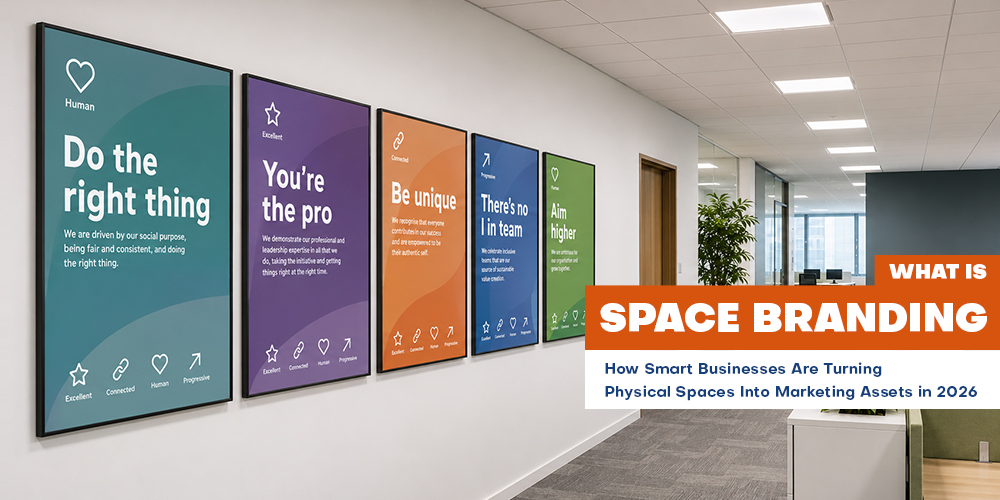
What is Space Branding? How Smart Businesses Are Turning Physical Spaces Into Marketing Assets in 2026

In 2026, customers don’t just buy products or services — they buy experiences. Before someone speaks to your sales team, scans your brochure, or visits your website, they silently judge your brand through your physical environment.

Your office, showroom, exhibition stall, clinic, café, or retail store has now become a live marketing channel. And businesses that understand this are building stronger trust, better customer engagement, and higher brand recall than competitors who still treat their spaces as “just interiors.”

This is where Space Branding changes the game.

At Bright Pixel, we help brands transform ordinary walls, workspaces, and event setups into immersive brand experiences that communicate professionalism, creativity, and authority instantly.

1. What is Space Branding?

Space branding is the process of designing physical environments in a way that visually and emotionally communicates your brand identity.

It combines branding, interior aesthetics, environmental psychology, storytelling, and customer experience to create a space that people remember.

Unlike traditional branding that lives only on screens or print materials, space branding allows people to physically experience your brand.

A modern branded space may include:

  • Brand-focused wall graphics
  • 3D signage and illuminated logos
  • Creative way finding systems
  • Interactive digital displays
  • Brand-inspired color psychology
  • Customized furniture and décor
  • Motivational culture walls
  • Experience zones for social sharing

The goal is simple:

Make people “feel” your brand the moment they enter the space.

Why Space Branding Matters More in 2026

Today’s audience is exposed to thousands of ads every day. Attention spans are lower, and trust has become harder to earn.

A professionally branded physical environment instantly creates:

  • Credibility
  • Emotional connection
  • Visual consistency
  • Premium perception
  • Customer confidence

Businesses are now investing heavily in experiential branding because physical experiences create stronger memory retention than digital ads alone.

A customer may forget an Instagram ad in 5 seconds. But they will remember a stunning office lobby, an immersive exhibition stall, or a creatively branded retail experience for years. Take a look at the creative branding portfolio designed by Bright Pixel and explore how we help brands transform offices, cafés, retail stores, and exhibition spaces into impactful brand experiences.

Space Branding Is No Longer “Decoration” — It’s Business Strategy

Many businesses still think space branding means adding a logo on the wall.

In reality, strategic space branding directly impacts:

  • Customer trust
  • Lead generation
  • Employee motivation
  • Social media visibility
  • Brand recall
  • Walk-in conversions
  • Client perception

Your environment silently communicates:

  • “Are you premium?”
  • “Are you innovative?”
  • “Can clients trust you?”
  • “Are you industry leaders?”

And customers decide all this within seconds.

Types of Space Branding Services Businesses Need in 2026

1. Office Space Branding

Modern offices are becoming culture and collaboration hubs instead of traditional workplaces.

Employees now expect inspiring environments that reflect innovation, energy, and purpose.

Smart Office Branding Includes:

  • Vision and mission walls
  • Motivational graphics
  • Department branding
  • Glass branding films
  • Collaborative creative zones
  • CEO storytelling walls
  • Interactive employee engagement spaces

Why It Matters:

  • Employee retention
  • Productivity
  • Company culture
  • Recruitment appeal
  • Client confidence during meetings

2. Retail Space Branding

Retail stores in 2026 are competing against online shopping.
That means physical stores must offer experiences people cannot get online.

Successful retail branding focuses on:

  • Visual storytelling
  • Customer movement flow
  • Instagrammable corners
  • Interactive product displays
  • Emotional shopping experiences

The Goal:

Turn visitors into repeat customers through memorable experiences.

3. Exhibition Stall Branding

Exhibitions are crowded and highly competitive.
If your stall looks generic, people walk past without noticing you.

Creative exhibition branding helps brands:

  • Attract footfall
  • Increase engagement
  • Generate leads faster
  • Improve recall after events

High-Converting Exhibition Branding Includes:

  • 3D illuminated signage
  • LED display integration
  • Modular branding systems
  • Interactive demo areas
  • Product storytelling walls
  • Experience-focused booth layouts

At Bright Pixel, we create exhibition branding solutions designed not just to look attractive — but to generate business opportunities.

The Psychology Behind Successful Space Branding

The best-branded spaces are designed using customer psychology.

Every element influences emotions:

  • Colors affect trust and excitement
  • Lighting affects mood and attention
  • Layout affects movement behavior
  • Visual hierarchy affects focus
  • Open spaces affect comfort levels

That’s why professional space branding is far more strategic than decoration.

It is a combination of:

  • Marketing
  • Architecture
  • Consumer psychology
  • Experience design
  • Brand storytelling

How Space Branding Increases Revenue

Businesses investing in branded environments often see:

  • Higher customer engagement
  • Better walk-in conversion rates
  • Stronger social media visibility
  • More repeat customers
  • Better employee performance
  • Higher perceived business value

A well-designed branded space becomes:

  • A marketing tool
  • A sales tool
  • A content creation space
  • A trust-building asset

Why Businesses Choose Bright Pixel for Space Branding

At Bright Pixel, we don’t create “good-looking spaces.” We create environments that help businesses grow. From offices and retail stores to exhibitions and corporate environments, we design spaces that leave lasting impressions and strengthen your market presence. Contact us today.

The Biggest Packaging Trend in India Right Now is Not a Graphic Style. It’s Fonts.

Take a walk down any FMCG aisle in Mumbai, Delhi, or Bangalore, and you’ll notice something changing. For years, packaging design trends in India focused on flashy illustrations, vibrant gradients, or minimal Western aesthetics.

But in 2026, the script has flipped—literally.

The most powerful tool in a brand’s visual identity is no longer just the logo or graphics—it’s the font. Typography has moved from the background to the forefront, becoming the defining element of modern packaging designing in India.

At Bright Pixel, we are witnessing a major shift in how Indian consumers interact with packaging. Here’s why typography-led packaging design is dominating FMCG shelves and why your brand needs to adapt.

 What is Expressive Typography in Packaging Design?

We are moving away from generic, overused fonts like Helvetica and Arial. Today, brands are embracing expressive typography—fonts that have personality, emotion, and a distinct voice.

Whether it’s a bold serif for a snack brand or a clean, premium typeface for skincare, typography is now doing the storytelling that visuals once handled.

In India’s highly competitive retail environment, brands have just 1–2 seconds to capture attention. A unique font acts as a powerful visual hook, instantly communicating whether a product is luxury, organic, fun, or bold.

 Why Indian are Brands Using Regional Fonts in Packaging?

India’s diversity is its biggest strength, and brands are now leveraging it through Indic typography.

Instead of simply translating English into Hindi, Marathi, or Tamil, brands are designing custom regional fonts that align with their brand identity. This creates a strong emotional connection with local consumers.

Typography in regional scripts signals authenticity and trust—it tells the customer:
 “This brand understands you.”

This trend is becoming a key driver in packaging design trends in India, especially in FMCG and D2C brands.


How Does Typography Improve Packaging Readability?

Modern Indian consumers are more aware and label-conscious than ever. They actively check ingredients, benefits, and claims before making a purchase.

This has led to a rise in:

  • Bold typography
  • High-contrast fonts
  • Clear, oversized messaging

Key USPs like “No Added Sugar”, “100% Organic”, or “Dermatologically Tested” are now designed to be instantly visible.

Typography-led packaging improves readability, trust, and transparency, making it easier for consumers to make quick decisions. This approach also aligns strongly with Gen Z preferences, where bold minimalism, vibrant colors, and high-impact typography drive instant attention and shareability.

 Why is “New-Age Vintage” Typography Trending in India?

One of the most exciting packaging design trends in India is the rise of nostalgic typography.

Brands are drawing inspiration from:

  • Hand-painted Indian signboards
  • Old cinema posters
  • Traditional lettering styles

This “New-Age Vintage” approach blends heritage with modern aesthetics. It creates a sense of familiarity and authenticity—qualities that Indian consumers deeply value.

Typography plays a crucial role here, helping brands stand out while building emotional recall.

 Why Typography Matters for Your ROI

Typography is no longer just a design choice—it’s a business decision.

Here’s how it directly impacts your brand performance:

  • Brand Recall: A unique font makes your product recognizable even without a logo
  • Shelf Impact: Bold typography cuts through visual clutter in retail stores
  • Consumer Trust: Clear fonts improve readability and transparency
  • Digital Performance: Strong typography works across E-commerce platforms, social media, and quick commerce apps

In short, better typography = better visibility + better conversions.


 Transform Your Packaging with Bright Pixel

At Bright Pixel, we don’t just choose fonts—we build brand identities through strategic typography.

We understand the nuances of the Indian market—from vibrant cultural influences to modern consumer behaviour. Our packaging design solutions are crafted to deliver both visual impact and business results.

If your packaging isn’t standing out, it’s time to rethink your typography.

 Ready to lead the packaging trend in India?
Visit: https://brightpixel.in/ and let’s transform your brand’s packaging journey.

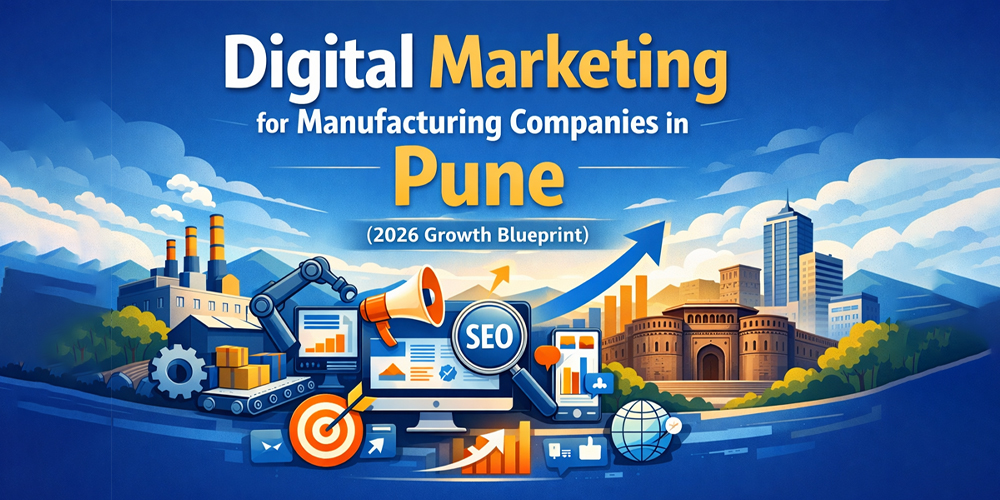
Digital Marketing for Manufacturing Companies in Pune: The 2026 Growth Blueprint

Manufacturing companies in Pune are entering a new digital era. Buyers no longer depend solely on trade shows, industry contacts, or cold calls to discover suppliers. Today, procurement managers, engineers, and sourcing teams start their supplier evaluation process online.

Whether they are searching for precision components, CNC machining services, or OEM manufacturing partners, the first impression of your company is usually your website and online presence.

This guide explains how manufacturing businesses can leverage digital marketing in 2026 to generate qualified RFQs, increase visibility, and expand their reach both locally and globally.

Why Modern Manufacturers Must Go Digital in 2026

Across Pune’s industrial belt — from Chakan MIDC to Talegaon MIDC and Ranjangaon MIDC — the way manufacturing businesses attract customers is evolving

Earlier, suppliers relied heavily on:

  • Trade exhibitions
  • Industry directories
  • Personal networks
  • Distributor channels

Today, industrial buyers first search online for suppliers and compare multiple companies before sending enquiries.

If your company does not appear in search results or your website does not communicate technical credibility, buyers will quickly move to competitors who present themselves better online.

In 2026, a strong digital presence is no longer optional — it is a competitive necessity.

What Digital Marketing Means for Manufacturers

Digital marketing for manufacturing companies focuses on making your business visible to decision-makers searching for industrial solutions.

These decision-makers include:

  • Procurement managers
  • Plant heads
  • Engineers
  • Global sourcing teams

A well-executed digital strategy helps manufacturing companies:

  • Rank for high-intent industrial search terms
  • Convert website visitors into qualified RFQs
  • Reach both local and international buyers
  • Build credibility and authority online

When implemented properly, digital marketing becomes a consistent lead-generation engine for manufacturing companies.

The Core Components of an Effective Digital Strategy

1. Technical Website Design & Optimization

Your manufacturing website acts as your digital factory showroom — where buyers evaluate your capabilities before contacting you.

If the website is slow, outdated, or unclear, buyers may leave within seconds.

Key elements of a high-performing industrial website include:

  • Fast loading speed and mobile responsiveness
  • Detailed product or service pages
  • Clear specifications and technical information
  • Downloadable brochures and datasheets
  • RFQ forms and enquiry buttons on major pages
  • Certifications and quality standards displayed prominently

A well-designed website builds trust and professionalism before the first conversation even begins.

2. Industrial SEO: Get Found for Intent-Based Searches

Many manufacturing companies make the mistake of targeting generic keywords like “engineering company”.

However, industrial buyers search using specific technical queries.

Examples include:

  • Automotive parts manufacturer Pune
  • SS316 fabrication services
  • Custom die casting supplier India
  • Precision CNC machining services

Industrial SEO focuses on optimizing your website for these high-intent keywords so your company appears when buyers actively search for suppliers.

Technical SEO also includes:

  • Structured website architecture
  • Optimized URLs and headings
  • Internal linking
  • Structured data markup

These factors help search engines and AI systems understand your content and rank it effectively.

3. Content Marketing for Industrial Buyers

Industrial buyers research extensively before selecting suppliers. They prefer companies that demonstrate technical expertise and industry knowledge.

Content marketing helps establish this credibility.

Effective manufacturing content includes:

  • Technical blogs explaining processes and applications
  • Case studies showing successful projects
  • Factory walkthrough videos and machine demonstrations
  • Whitepapers explaining standards and certifications

This type of content builds trust with buyers and authority with search engines.

B2B Lead Generation Channels That Work

LinkedIn and Professional Networks

Platforms like LinkedIn have become powerful channels for B2B manufacturing visibility.

Procurement heads, engineers, and sourcing managers often use LinkedIn to:

  • Evaluate suppliers
  • Follow industry updates
  • Network with manufacturers

Sharing project highlights, factory updates, and technical insights can significantly increase visibility among relevant decision-makers.

LinkedIn and Professional Networks

Pay-per-click advertising allows manufacturing companies to appear instantly for high-intent searches.

Examples of search queries include:

  • Industrial automation solutions Pune
  • Packaging machine manufacturer India
  • Custom fabrication services

While SEO builds long-term visibility, PPC provides immediate exposure and faster lead generation.

A combination of both creates a balanced growth strategy.

The Role of Video in Manufacturing Marketing

Industrial buyers often prefer to see production capabilities before initiating discussions.

Videos that demonstrate manufacturing processes can significantly increase engagement.

Examples of effective video content include:

  • Factory floor walkthroughs
  • Machine operation demonstrations
  • Production process explanations
  • Quality inspection procedures

Visual transparency builds trust and gives buyers confidence in your capabilities.

Local SEO for Manufacturing Companies in Pune

Many industrial buyers prefer suppliers located within key manufacturing clusters.

Optimizing your website for industrial areas such as:

  • Bhosari MIDC
  • Chakan MIDC
  • Chakan MIDC
  • Ranjangaon MIDC

helps your company appear in location-specific industrial searches.

Local SEO can drive enquiries from nearby manufacturing companies looking for suppliers or subcontractors.

Measuring Success: Key Metrics for Manufacturers

To understand whether your digital marketing strategy is working, track these important metrics:

  • Organic search rankings for industrial keywords
  • Qualified RFQs generated through the website
  • Time spent on product or specification pages
  • Conversion rates from enquiries and downloads
  • Engagement on professional platforms

Tracking these metrics helps improve marketing efficiency and provides valuable insights into buyer behaviour. Get Free SEO Audit for Your Website

AI and SEO in 2026: What Manufacturers Should Know?

Search engines are increasingly powered by AI-driven systems that prioritize structured, high-quality, and informative content.

To improve your chances of appearing in AI-generated search summaries:

  • Use clear headings and structured content
  • Answer common industry questions
  • Add schema markup such as FAQ schema
  • Include images and videos with descriptive alt text
  • Update content regularly with new insights

These practices help search engines interpret and display your content more effectively.

How Bright Pixel Helps Manufacturing Companies Grow

At Bright Pixel, we specialize in digital marketing strategies designed specifically for industrial and manufacturing businesses.

Our services include:

  • Industrial website design and optimization
  • SEO for manufacturing companies
  • LinkedIn marketing and B2B visibility
  • Content marketing for technical industries
  • Lead generation systems for RFQs

We help manufacturing companies transform their online presence into a powerful engine for consistent industrial enquiries.

Request a free website and SEO audit today and discover how your manufacturing business can grow online.

More Than a Menu: Creating High-Converting Websites for the Modern Eatery in Pune

In the bustling food scenes of Koregaon ParkBalewadi High Street, and FC Road, great food is only half the battle. For a modern eatery in Pune, your digital storefront is often the first “bite” a customer takes. If your website is just a static PDF menu, you’re leaving revenue on the table.

At Bright Pixel, we specialize in end-to-end restaurant web design that transforms casual browsers into loyal diners. Here is how we help Pune’s cafes and restaurants dominate the local digital landscape.

1. Local SEO: Getting Found in the “Restuarant Near Me” Race

When someone in Viman Nagar searches for “best cafe near me,” does your business show up? Local SEO for cafes is about more than just keywords; it’s about geography.

  • Google Business Profile Integration: We sync your website with Google Maps so commuters on their way to Hinjewadi IT Park find you first.
  • Localized Content: We optimize for “Pune-specific” searches, ensuring you rank for neighbourhood-specific queries.

2. Integrated Online Food Ordering Systems

Third-party apps take a massive cut of your profits. A high-converting website should include its own online food ordering system.

  • Direct Orders: Keep 100% of your margins by letting customers order directly through your site.
  • Mobile-First Design: Most Punker’s order on the go. We ensure your interface is thumb-friendly and lightning-fast.

3. High-Conversion Visual Storytelling

In the food industry, people eat with their eyes.

  • Professional Gallery: We move beyond stock photos. We showcase your actual ambiance—whether it’s a cozy Peth-style cafe or a luxury rooftop in Baner.
  • Dynamic Menus: No more zooming into blurry PDFs. We create interactive, mobile-responsive menus that are easy to read and update.

4. Reservation & Loyalty Integration

An end-to-end solution means your website handles the “boring” stuff so you can focus on the kitchen.

  • Table Bookings: Real-time reservation systems to manage weekend rushes at popular Pune hangouts.
  • Digital Loyalty Programs: Capture data and send “We miss you” offers to customers who haven’t visited in a month.

Why Pune Eateries Choose Bright Pixel?

We aren’t just a design agency; we provide end-to-end digital solutions. From the initial website design to digital marketing strategies that fill your tables on a slow Tuesday night, we understand the Pune palate and the local competitive landscape.

Ready to give your restaurant a digital makeover? Whether you run a heritage Misal house or a trendy new bistro, Bright Pixel is here to help you grow connect us today.

B2B Social Media Marketing Best Practices to Reach Target Audiences

When people think about social media marketing, they often imagine fashion brands, food influencers, or e-commerce shops. But in reality, B2B businesses — whether they sell software, training, or even interior design services — can grow faster on social media if they follow the right strategies.

At Bright Pixel, we’ve seen firsthand how businesses can use digital marketing to reach the right audience, generate leads, and convert them into real business calls.

Let’s explore some best practices, with real-life examples (including how a boutique business grew after social media marketing).

  1. Understand Who Your Target Audience Really Is

Social media is not just about “posting daily.” It’s about knowing who you want to reach.

For example:
A corporate uniform supplier should target HR heads and purchase managers on LinkedIn, not just random employees.
A boutique owner should target working women, brides-to-be, or moms searching for unique clothing styles on Instagram and Facebook.

Tip: Use audience insights, interests, and behavior filters while running ads

2.Choose the Right Social Media Platform

    Not all platforms work for every B2B business.

    • LinkedIn – Best for connecting with decision-makers (CEOs, HRs, managers).
    • Instagram & Facebook – Perfect for visual industries (fashion, boutiques, interior design).
    • YouTube – Great for education-based businesses (training, consultancy, coaching).

    Example:
    We worked with a local boutique that wanted to attract more brides-to-be. Instead of wasting money on LinkedIn, we focused on Instagram Reels showcasing before-and-after bridal looks. Within one month, the boutique saw a 40% increase in walk-ins and multiple bridal bookings.

    3. Content That Speaks to Problems & Solutions

    B2B audiences don’t want just promotions — they want solutions to their problems.

    • A boutique can post: “How to pick the right outfit for your office party.”
    • A software company can post: “How to reduce accounting errors with automation.”

    Keep it educational + promotional.

    4. Use Paid Ads Smartly

    Organic posts are good for brand building, but paid ads bring leads faster.

    • Use Lead Form Ads (directly collect names, numbers, and emails).
    • Retarget people who visited your website but didn’t take action.

    Example:
    That same boutique ran festival ads targeting women aged 22–40 in Pune. The ad copy said: “Looking for festive outfits? Book your free style consultation today.”
    Result: 50+ WhatsApp inquiries in 10 days.

    5. Be Consistent and Build Trust

    People don’t trust brands that post once in a while.
    Consistency builds credibility.

    • Post 3–4 times a week.
    • Reply to DMs quickly.
    • Show behind-the-scenes (how you work, how products are made, happy customers).

    Even for B2B businesses, a personal touch works.
    For example, sharing a client testimonial video on LinkedIn can bring more calls than a generic “We provide services” post.

    FAQs about B2B Social Media Marketing

    Q1. How soon will I see results from social media marketing?
     Usually, organic growth takes 2–3 months. With ads, you can start seeing leads within weeks.

    Q2. Do I really need LinkedIn for B2B?
    Yes, especially if you want to reach CEOs, HR managers, or business owners. But if your business is more visual (like fashion or design), Instagram and Facebook work better.

    Q3. I run a small boutique — will social media really help me?
    Absolutely. Even with a small budget, targeted Instagram ads can bring walk-ins, appointments, and WhatsApp inquiries. We’ve seen it work with boutiques, salons, and local shops.

    Q4. Should I focus more on organic or paid ads?
    A mix works best. Organic builds trust and brand identity, while ads help generate quick leads.

    Final Thoughts

    Social media is not just about “likes” — it’s about business growth. Whether you are a corporate service provider or a boutique owner, the right B2B social media marketing strategy can get you more calls, more leads, and more clients.

    At Bright Pixel, we help businesses like yours grow with the perfect mix of strategy, content, design, and advertising.

    Want to see how social media can bring you real customers?
    Let’s connect today.

    Your Office Is Your Brand: The Ultimate Guide to Office Branding

    Did you know your office space is one of your most powerful marketing tools? It’s true. For over a decade, we at Bright pixel, a leading digital marketing agency in Pune, have seen firsthand how a well-designed office can do more than just house employees—it can tell your brand’s story, attract top talent, and boost company morale.

    This guide will walk you through the essentials of office branding, showing you how to transform your workplace into a dynamic, engaging, and unforgettable experience for clients and employees alike.

    What is Office Branding?

    Office branding is the strategic use of your physical office space to reflect and reinforce your company’s core values, culture, and identity. It goes far beyond simply hanging a logo in the lobby. It’s about using colors, graphics, furniture, and even lighting to create an environment that resonates with your brand’s personality.

    Think of it as interior design for your brand. When done right, it makes your office feel less like a generic workspace and more like a purpose-built home for your company.

    Why Is It So Important?

    A well-branded office offers a wide range of benefits for your business:

     Boosts Employee Morale and Productivity:

    A vibrant, well-designed space can make employees feel proud to work for your company. When the environment reflects the company’s mission, it creates a sense of belonging and can lead to increased motivation and productivity.

     Attracts and Retains Top Talent:

    In today’s competitive market, potential employees are looking for more than just a job; they’re looking for a great place to work. A unique and well-branded office makes a powerful statement about your company culture, helping you stand out from the competition.

     Enhances Client Perception:

    When a client walks into your office, the first impression is everything. A professionally branded space instills confidence and reinforces your company’s expertise and values.

     Reinforces Your Brand Identity:

    Consistent branding, from your website to your physical office, builds a cohesive and memorable brand identity. It ensures that every touchpoint with your brand tells the same story.

    Key Elements of a Strong Office Branding Strategy

    Ready to transform your space? Here are the key elements you should consider:

     Wall Graphics and Murals:

    These are a fantastic way to showcase your company’s history, mission, or even key products. A large, high-quality wall mural can become a powerful focal point.

     Color Palette:

    Use your brand’s primary and secondary colors strategically throughout the office. This creates visual consistency and an immediate connection to your brand.

     Wayfinding and Signage:

    Use branded signage to guide visitors. This not only improves the user experience but also reinforces your brand’s professionalism.

     Furniture and Decor: Choose furniture that complements your brand’s style. For example, a modern, minimalist brand might use sleek furniture, while a creative agency might opt for more eclectic pieces.

     Lighting and Materials:

    The right lighting can set the mood, and the materials you use (like wood, metal, or glass) can communicate your brand’s values, such as sustainability or innovation.

    At Bright pixel, we understand that great digital marketing isn’t just about what’s online. It’s about creating a holistic brand experience. For over 10 years, our team has helped businesses in Pune and beyond with everything from website design and SEO to logo design and comprehensive branding strategies.

    We specialize in bringing brand identities to life—both digitally and in the physical world. Our creative experts can work with you to design and implement a custom office branding solution that reflects your unique vision and helps you achieve your business goals.

    Ready to make your office a powerful extension of your brand? Contact Bright pixel today to start the conversation and get a free consultation.