What Is GEO and Why Your Pune Business Needs It in 2026

What Is GEO (Generative Engine Optimisation) and Why Your Pune Business Needs It in 2026

GEO (Generative Engine Optimisation) is the practice of structuring your website and content so AI tools like Google AI Overviews, ChatGPT, and Perplexity can understand, trust, and cite your business when answering a user’s question. Where traditional SEO competes for a position on a results page, GEO competes for a mention inside an AI-generated answer — often before the user ever clicks through to a website.

For Pune businesses, this shift isn’t a future trend to plan for. It’s already changing how local customers find manufacturers, consultants, clinics, real estate developers, and service providers across the city.

Why GEO Matters Now

Search behaviour has quietly changed over the past two years. A growing share of queries — from “best SEO company in Pune” to “GMP certified herbal toothpaste manufacturer” — now return an AI-generated summary before any traditional blue links appear. Increasingly, users read that summary, get their answer, and never visit a website at all.

This means a business can rank well in traditional Google search and still be invisible in the moment that actually decides where the customer goes next — the AI answer itself.

GEO is how a business earns a place inside that answer.

How GEO Is Different from Traditional SEO

Traditional SEOGEO
Optimises for ranking positionOptimises for being cited or quoted
Keyword-driven contentEntity- and answer-driven content
Backlinks signal authorityStructured data + backlinks signal authority
Success = clicksSuccess = visibility, even without a click
Built for search engine crawlersBuilt for both crawlers and AI language models

GEO doesn’t replace SEO — it sits on top of it. A technically sound, well-structured website is still the foundation. GEO simply adds a second layer: making that content legible and trustworthy to AI systems, not just search engines.

How AI Engines Actually Decide What to Cite

AI tools don’t “browse” the web the way a human does. They lean on a few specific signals to decide which businesses are credible enough to mention:

  • Structured data (schema markup): Organisation, Service, FAQ, and Product schema help AI systems understand exactly what a business does, where it operates, and what makes it credible — without guessing from unstructured text. Use this tool for generating schema markup
  • Direct-answer content: Pages that open with a clear, well-formed answer to a likely question are far easier for AI to extract and quote than pages that bury the point under marketing copy.
  • Entity consistency: Your business name, address, services, and credentials need to match consistently across your website, Google Business Profile, directories, and social profiles. Inconsistency confuses both search engines and AI models.
  • Topical depth: A handful of thin pages won’t establish authority. AI engines favour businesses that demonstrate real expertise through detailed, well-organised content across a topic.
  • Third-party validation: Mentions, reviews, and backlinks from credible external sources still matter — arguably more than before, since AI systems use them as a trust check.
  • llms.txt files: An emerging standard that gives AI crawlers a clear, structured map of a website’s most important content, similar in spirit to how robots.txt guides search engine crawlers. Use tool for generating llms file

What This Means for Pune Businesses Specifically

Pune’s business landscape — manufacturing, financial consulting, education, real estate, IT services — is competitive and increasingly digital-first, even for traditionally offline industries. A few local realities make GEO especially relevant here:

  • B2B and industrial businesses often have minimal content depth, making it hard for AI engines to understand or trust what they actually offer — even when the business itself is well established.
  • Local service providers (financial consultants, clinics, educational institutes) are frequently searched by name or by intent (“CFP near Model Colony Pune”), and AI answers increasingly handle these queries directly.
  • Multi-location or multi-market businesses serving Pune alongside markets like Auckland, Dubai, or the UK need entity consistency across every region they operate in — a common gap that undermines AI trust signals.
  • Early movers have an outsized advantage. Very few Pune businesses have implemented schema markup, FAQ-structured content, or llms.txt files yet. The businesses that do this first are positioned to be the ones AI engines reference as the local authority.

Common GEO Mistakes to Avoid

  • Treating GEO as a one-time technical fix rather than an ongoing content discipline.
  • Writing content for keywords instead of for the actual question a customer is asking.
  • Ignoring Google Business Profile consistency while focusing only on the website.
  • Adding schema markup without verifying it validates correctly — broken schema can do more harm than none at all.
  • Assuming GEO only matters for tech companies — it applies just as much to manufacturers, consultants, and educators.

Frequently Asked Questions

Is GEO replacing SEO? No. GEO builds on a strong SEO foundation — technical health, quality content, and backlinks are still essential. GEO adds the structure and signals AI systems specifically look for.

Do I need to redo my entire website for GEO? Not necessarily. Most businesses start by restructuring their highest-value pages — core service pages and a well-built FAQ section — and adding schema markup before expanding further.

How long does it take to see results from GEO? Similar to SEO, GEO is a medium-term investment. Some visibility changes can appear within weeks once schema and direct-answer content are live, but consistent authority-building takes a few months.

Can small or local businesses really compete with bigger brands in AI search? Yes — often more easily than in traditional SEO. AI engines reward clarity, structure, and specificity, which gives well-organised local businesses a real opportunity against larger, less-structured competitors.

The Bottom Line

AI-generated answers are becoming a primary discovery layer for customers — and most Pune businesses haven’t adapted yet. Businesses that invest in GEO now, while the competitive bar is still low, stand to become the default AI-cited authority in their category before their competitors even understand what changed.

This article was contributed by Bright Pixel, a digital marketing and SEO agency based in Pune, India, specialising in SEO, GEO, and AI search visibility strategy for local and B2B businesses.
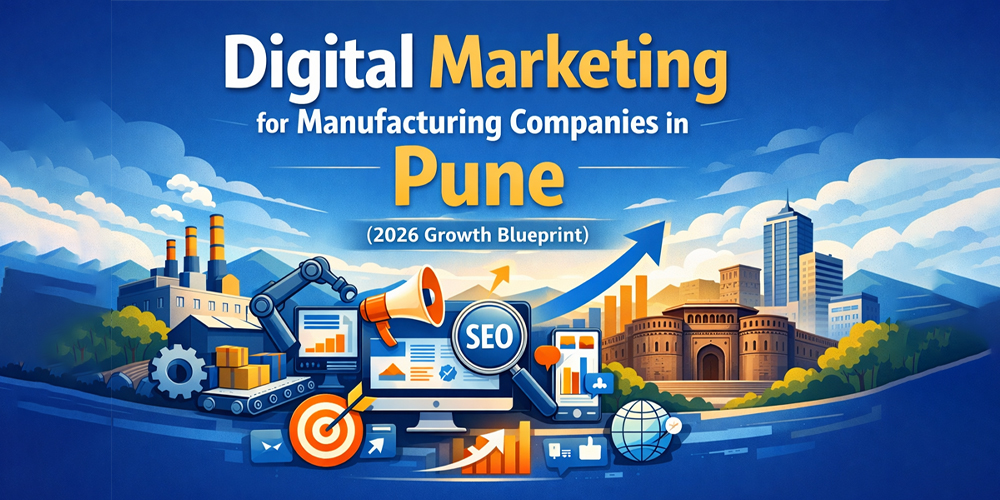
Digital Marketing for Manufacturing Companies in Pune: The 2026 Growth Blueprint

Manufacturing companies in Pune are entering a new digital era. Buyers no longer depend solely on trade shows, industry contacts, or cold calls to discover suppliers. Today, procurement managers, engineers, and sourcing teams start their supplier evaluation process online.

Whether they are searching for precision components, CNC machining services, or OEM manufacturing partners, the first impression of your company is usually your website and online presence.

This guide explains how manufacturing businesses can leverage digital marketing in 2026 to generate qualified RFQs, increase visibility, and expand their reach both locally and globally.

Why Modern Manufacturers Must Go Digital in 2026

Across Pune’s industrial belt — from Chakan MIDC to Talegaon MIDC and Ranjangaon MIDC — the way manufacturing businesses attract customers is evolving

Earlier, suppliers relied heavily on:

  • Trade exhibitions
  • Industry directories
  • Personal networks
  • Distributor channels

Today, industrial buyers first search online for suppliers and compare multiple companies before sending enquiries.

If your company does not appear in search results or your website does not communicate technical credibility, buyers will quickly move to competitors who present themselves better online.

In 2026, a strong digital presence is no longer optional — it is a competitive necessity.

What Digital Marketing Means for Manufacturers

Digital marketing for manufacturing companies focuses on making your business visible to decision-makers searching for industrial solutions.

These decision-makers include:

  • Procurement managers
  • Plant heads
  • Engineers
  • Global sourcing teams

A well-executed digital strategy helps manufacturing companies:

  • Rank for high-intent industrial search terms
  • Convert website visitors into qualified RFQs
  • Reach both local and international buyers
  • Build credibility and authority online

When implemented properly, digital marketing becomes a consistent lead-generation engine for manufacturing companies.

The Core Components of an Effective Digital Strategy

1. Technical Website Design & Optimization

Your manufacturing website acts as your digital factory showroom — where buyers evaluate your capabilities before contacting you.

If the website is slow, outdated, or unclear, buyers may leave within seconds.

Key elements of a high-performing industrial website include:

  • Fast loading speed and mobile responsiveness
  • Detailed product or service pages
  • Clear specifications and technical information
  • Downloadable brochures and datasheets
  • RFQ forms and enquiry buttons on major pages
  • Certifications and quality standards displayed prominently

A well-designed website builds trust and professionalism before the first conversation even begins.

2. Industrial SEO: Get Found for Intent-Based Searches

Many manufacturing companies make the mistake of targeting generic keywords like “engineering company”.

However, industrial buyers search using specific technical queries.

Examples include:

  • Automotive parts manufacturer Pune
  • SS316 fabrication services
  • Custom die casting supplier India
  • Precision CNC machining services

Industrial SEO focuses on optimizing your website for these high-intent keywords so your company appears when buyers actively search for suppliers.

Technical SEO also includes:

  • Structured website architecture
  • Optimized URLs and headings
  • Internal linking
  • Structured data markup

These factors help search engines and AI systems understand your content and rank it effectively.

3. Content Marketing for Industrial Buyers

Industrial buyers research extensively before selecting suppliers. They prefer companies that demonstrate technical expertise and industry knowledge.

Content marketing helps establish this credibility.

Effective manufacturing content includes:

  • Technical blogs explaining processes and applications
  • Case studies showing successful projects
  • Factory walkthrough videos and machine demonstrations
  • Whitepapers explaining standards and certifications

This type of content builds trust with buyers and authority with search engines.

B2B Lead Generation Channels That Work

LinkedIn and Professional Networks

Platforms like LinkedIn have become powerful channels for B2B manufacturing visibility.

Procurement heads, engineers, and sourcing managers often use LinkedIn to:

  • Evaluate suppliers
  • Follow industry updates
  • Network with manufacturers

Sharing project highlights, factory updates, and technical insights can significantly increase visibility among relevant decision-makers.

LinkedIn and Professional Networks

Pay-per-click advertising allows manufacturing companies to appear instantly for high-intent searches.

Examples of search queries include:

  • Industrial automation solutions Pune
  • Packaging machine manufacturer India
  • Custom fabrication services

While SEO builds long-term visibility, PPC provides immediate exposure and faster lead generation.

A combination of both creates a balanced growth strategy.

The Role of Video in Manufacturing Marketing

Industrial buyers often prefer to see production capabilities before initiating discussions.

Videos that demonstrate manufacturing processes can significantly increase engagement.

Examples of effective video content include:

  • Factory floor walkthroughs
  • Machine operation demonstrations
  • Production process explanations
  • Quality inspection procedures

Visual transparency builds trust and gives buyers confidence in your capabilities.

Local SEO for Manufacturing Companies in Pune

Many industrial buyers prefer suppliers located within key manufacturing clusters.

Optimizing your website for industrial areas such as:

  • Bhosari MIDC
  • Chakan MIDC
  • Chakan MIDC
  • Ranjangaon MIDC

helps your company appear in location-specific industrial searches.

Local SEO can drive enquiries from nearby manufacturing companies looking for suppliers or subcontractors.

Measuring Success: Key Metrics for Manufacturers

To understand whether your digital marketing strategy is working, track these important metrics:

  • Organic search rankings for industrial keywords
  • Qualified RFQs generated through the website
  • Time spent on product or specification pages
  • Conversion rates from enquiries and downloads
  • Engagement on professional platforms

Tracking these metrics helps improve marketing efficiency and provides valuable insights into buyer behaviour. Get Free SEO Audit for Your Website

AI and SEO in 2026: What Manufacturers Should Know?

Search engines are increasingly powered by AI-driven systems that prioritize structured, high-quality, and informative content.

To improve your chances of appearing in AI-generated search summaries:

  • Use clear headings and structured content
  • Answer common industry questions
  • Add schema markup such as FAQ schema
  • Include images and videos with descriptive alt text
  • Update content regularly with new insights

These practices help search engines interpret and display your content more effectively.

How Bright Pixel Helps Manufacturing Companies Grow

At Bright Pixel, we specialize in digital marketing strategies designed specifically for industrial and manufacturing businesses.

Our services include:

  • Industrial website design and optimization
  • SEO for manufacturing companies
  • LinkedIn marketing and B2B visibility
  • Content marketing for technical industries
  • Lead generation systems for RFQs

We help manufacturing companies transform their online presence into a powerful engine for consistent industrial enquiries.

Request a free website and SEO audit today and discover how your manufacturing business can grow online.